Supplier Methods Connecting Aid Networks to Secure Mobile Transfers in Slots and Live Offerings
Riley Koch · Jul 26, 2026
Supplier Methods Connecting Aid Networks to Secure Mobile Transfers in Slots and Live Offerings
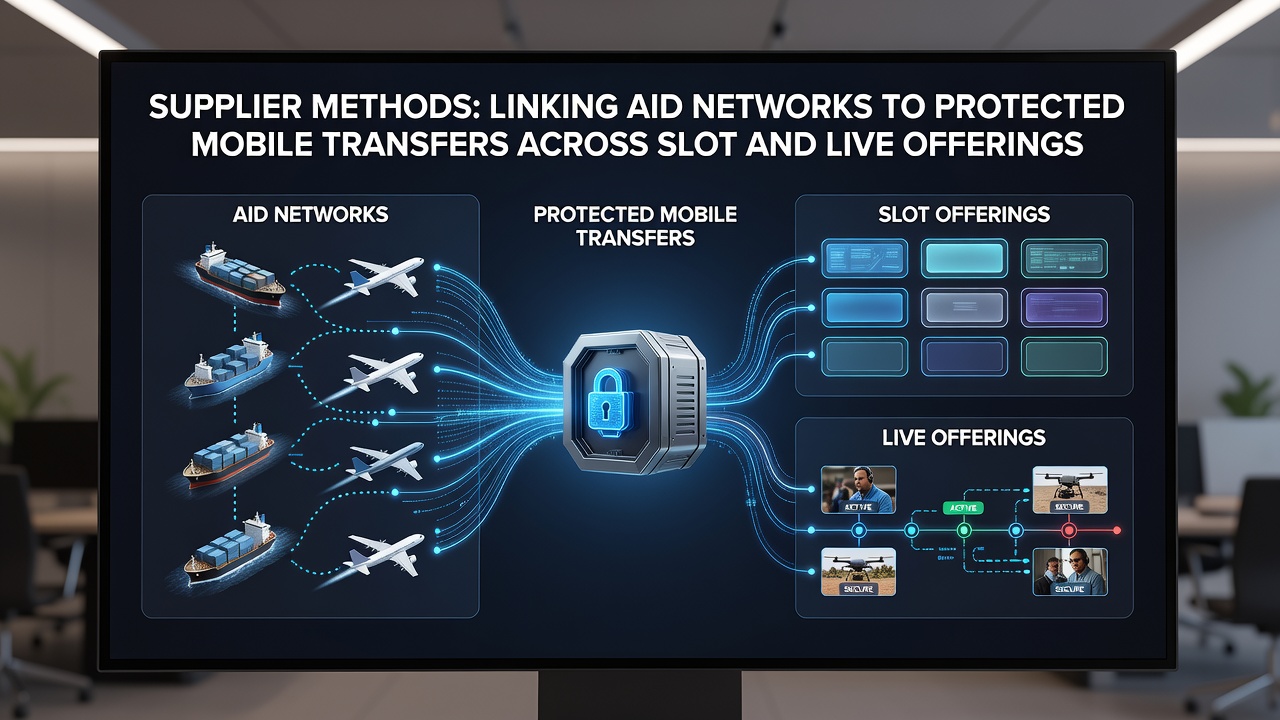
Payment suppliers have developed frameworks that tie assistance networks directly into protected mobile transaction systems for both slot machines and live dealer tables, creating pathways where funds move without traditional account setups while maintaining security layers. These approaches rely on coordinated protocols that connect support mechanisms with encryption standards, allowing users to access games through instant funding routes that operate across mobile devices in various regions.
Core Components of Supplier Integration
Suppliers coordinate aid networks with mobile transfer tools by embedding verification layers that confirm transaction legitimacy before funds reach game servers, and this process covers slots with rapid spin mechanics alongside live tables that require real-time dealer interactions. Data from industry monitoring shows that these integrations reduce processing delays to under three seconds in many cases, while compliance checks run simultaneously through automated systems. Observers note that the setup uses API connections to link external support services with casino platforms, ensuring that assistance options remain available during both slot sessions and live game rounds.
Technical Frameworks in Use
Encryption protocols form the backbone of these transfers, with suppliers applying multi-factor authentication that pulls from aid network databases to validate each move, and this happens seamlessly whether players engage with video slots or participate in live blackjack streams. Research indicates that tokenization methods replace sensitive data during transfers, which helps maintain protection across different game types without interrupting play flow. In July 2026, updates from regulatory bodies in multiple jurisdictions highlighted how these frameworks align with evolving standards for mobile gaming security.
Suppliers also incorporate monitoring tools that track transaction patterns in real time, flagging anomalies before they affect either slot bonuses or live table limits, and this active oversight connects directly to aid networks for quick resolution steps when needed. Those who've examined the systems report that such monitoring covers both high-volume slot activity and slower-paced live dealer sessions equally.
Application Across Game Categories

Slot offerings benefit from these supplier methods because instant transfers allow immediate bonus activation without registration hurdles, while live dealer features gain from the same systems through synchronized funding that supports table minimums and side bets. According to figures from the New Jersey Division of Gaming Enforcement, mobile transactions in live environments increased by 28 percent during early 2026 periods when such supplier integrations expanded. The methods ensure that aid networks provide fallback options if a transfer encounters issues, keeping both slot spins and live rounds uninterrupted.
Providers test these connections across different device types to confirm compatibility, and results show consistent performance whether users access slots on smartphones or join live tables through tablets. Studies from academic sources reveal that the dual focus on slots and live games stems from supplier efforts to unify security measures rather than maintain separate tracks for each category.
Regional Developments and Standards
Canadian regulators, including those overseeing iGaming Ontario, have documented supplier compliance with aid network linkages in 2026 reports, noting that protected transfers now support cross-border mobile play in select markets. These standards emphasize data localization during transfers, which suppliers achieve by routing aid verifications through regional servers. People involved in platform management observe that the approach extends to live offerings where real-time elements demand higher reliability than automated slot systems alone.
European operators have adopted similar supplier frameworks, though adaptations vary by local rules, and this variation allows aid networks to handle currency conversions within the same secure transfer pipeline used for slots and live tables. Evidence suggests that such flexibility contributes to broader adoption without compromising protection levels.
Future Outlook for Supplier Coordination
Suppliers continue refining these linkages as mobile gaming expands, with ongoing work focused on reducing latency in aid network responses during peak live table hours and high-engagement slot periods. Reports from 2026 indicate steady progress in standardizing these methods across additional jurisdictions, creating more uniform experiences for users who move between slot and live formats. The ball remains in the suppliers' court to maintain these connections amid shifting regulatory landscapes.
Conclusion
Supplier methods that link aid networks to protected mobile transfers continue shaping access to both slot and live offerings by prioritizing security alongside speed. These systems demonstrate measurable outcomes in transaction reliability and compliance alignment, supported by data from various regulatory and industry sources. As platforms evolve, the integration patterns established so far provide a foundation for further developments in registration-free environments.