Mobile Device Interfaces Optimize Instant Rewards and Real-Time Gaming Tables via Coordinated Developer Efforts in No-Account Environments
Rafael Coleman · Aug 23, 2026
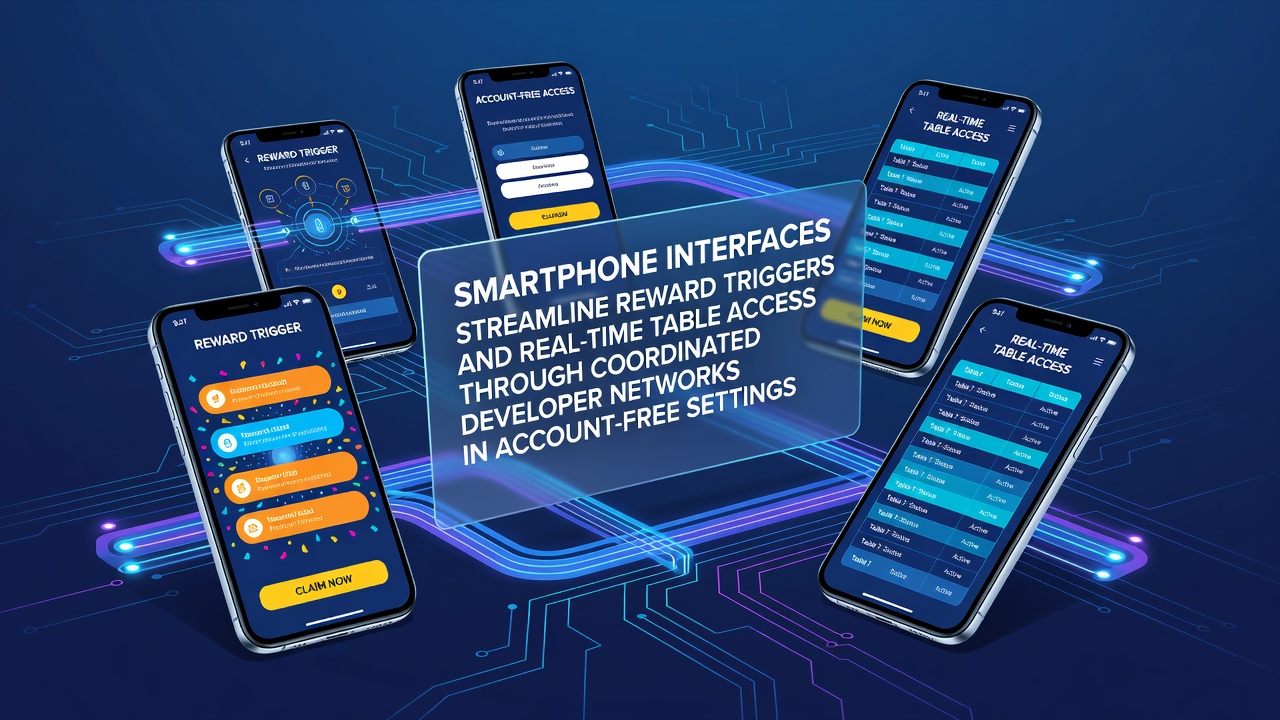
Mobile Device Interfaces Optimize Instant Rewards and Real-Time Gaming Tables via Coordinated Developer Efforts in No-Account Environments
Smartphone interfaces have developed specific features that connect reward activation directly to user actions while providing immediate entry to live dealer tables, and these functions operate through networks formed by multiple game developers working together in environments that require no account creation or registration steps. Data from industry tracking services shows that such coordinated systems expanded in use during the first half of 2026, with additional platform updates appearing in August of that year as developers released new interface modules designed for faster data exchange between reward engines and table management software.
Observers note that account-free platforms rely on temporary session tokens generated at the device level, which eliminates the need for stored user profiles yet still allows reward triggers to activate based on real-time play metrics such as consecutive spins or table participation duration. These tokens pass through standardized APIs maintained by developer consortia, ensuring that bonus awards reach the correct session without permanent data retention on central servers.
Interface Elements That Trigger Rewards
Design teams have incorporated gesture-based controls and overlay notifications that respond to gameplay events within milliseconds, and these elements connect to backend reward pools managed collectively by participating studios. Research indicates that swipe patterns or tap sequences on mobile screens can initiate bonus calculations that draw from shared liquidity sources, while the same interface layer maintains continuous links to live table servers for instant seat assignment once a player meets minimum activity thresholds.
What's interesting is how push notification frameworks integrate with these reward systems; developers have aligned their code so that a completed reward cycle on one game can prompt an immediate offer for a live table seat on another title hosted by a partner studio. Figures from platform analytics reveal that session lengths increase when these cross-title prompts appear within the same interface window rather than through separate menus.
Developer Networks and Technical Coordination
Coordinated developer networks operate through shared protocol standards that define data formats for reward values, table availability, and session continuity, and these standards emerged from collaborative working groups that began publishing specifications in late 2025. Multiple studios contribute modules that handle specific tasks such as cryptographic token validation or live stream synchronization, which allows smaller teams to focus on interface polish while larger partners supply the underlying table infrastructure.
Turns out that compatibility testing occurs on a rolling schedule, with new interface versions undergoing simultaneous validation across different device operating systems to maintain consistent reward timing and table connection speeds. In August 2026 several network participants completed an update round that reduced average latency for table joins by aligning compression routines used in video feeds with the reward calculation pipelines.
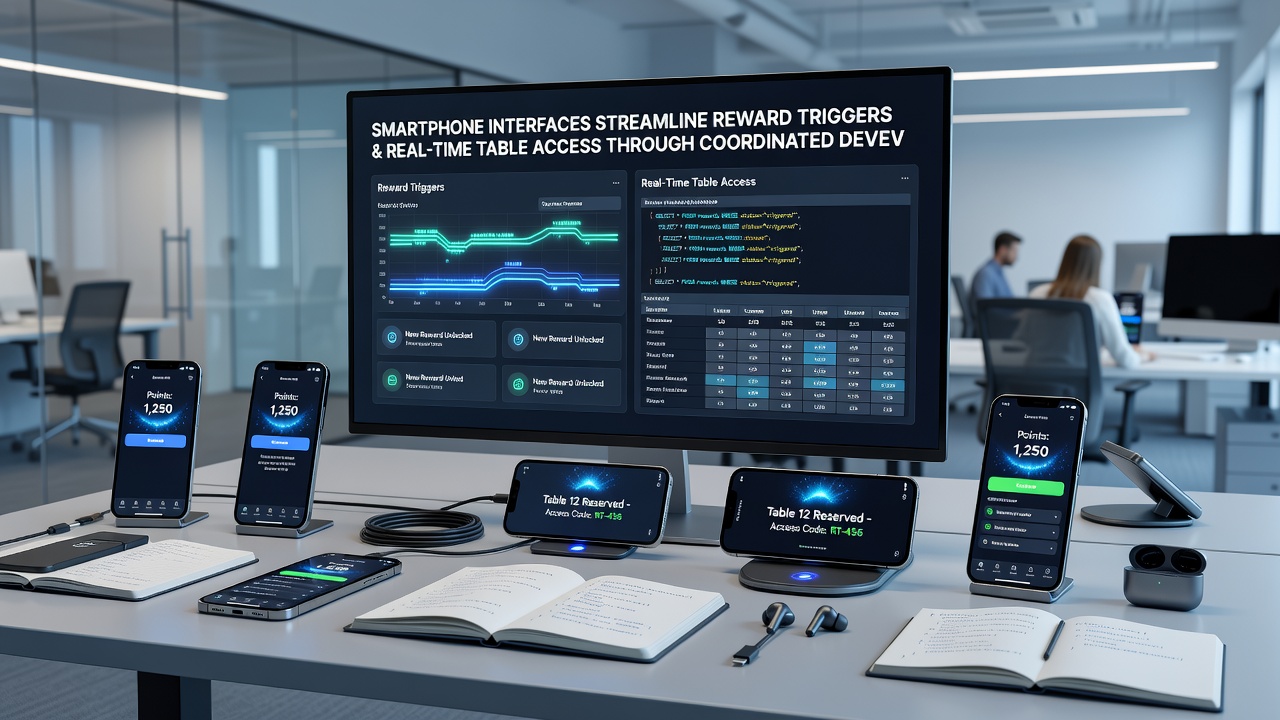
One study released by the American Gaming Association examined usage patterns across account-free mobile platforms and found that interfaces supporting coordinated reward triggers recorded higher engagement rates compared with standalone applications. The report highlighted that live table access improved when developers synchronized their availability feeds through a common network rather than relying on individual studio servers.
Real-Time Table Access Mechanisms
Real-time table access depends on interface components that poll availability data at short intervals while simultaneously monitoring reward status, and these dual functions run within a single application thread to avoid context switching delays on mobile processors. Players receive visual indicators such as highlighted seat maps or countdown timers that update as soon as a coordinated developer network confirms both reward eligibility and table capacity.
Yet platform logs show that connection stability varies with network conditions, prompting developers to implement fallback routines that preserve session state even during brief signal interruptions. This approach keeps reward progress intact and maintains the user's position in any queued table entry without requiring re-authentication steps that would otherwise break the account-free model.
Developments Observed in August 2026
During August 2026 several network participants introduced interface refinements that embed reward probability indicators directly into live table previews, allowing users to assess potential bonus outcomes before committing to a seat. These additions built upon earlier protocol updates and were rolled out across multiple device types through coordinated release schedules managed by the developer alliance.
Evidence from traffic monitoring services suggests that the refinements coincided with increased cross-platform play, as users moved between reward-earning slots and live tables more frequently when the interface presented both options within the same navigation layer. Regulatory filings in select jurisdictions documented these changes as part of routine compliance reporting on player protection features.
Conclusion
Smartphone interfaces continue to evolve through coordinated developer networks that standardize reward triggers and real-time table connections in account-free settings, with measurable updates appearing throughout 2026 including the August cycle. The technical frameworks described rely on session-based tokens, shared APIs, and synchronized data feeds that support seamless transitions between reward systems and live gaming environments without permanent user registration. Continued alignment among participating studios maintains the operational consistency required for these functions to scale across additional platforms and device models.