Advancements in Mobile Interfaces for Efficient Game Choice and Rapid Payouts in No-Registration Casinos
Theo Krause · Aug 2, 2026
Advancements in Mobile Interfaces for Efficient Game Choice and Rapid Payouts in No-Registration Casinos
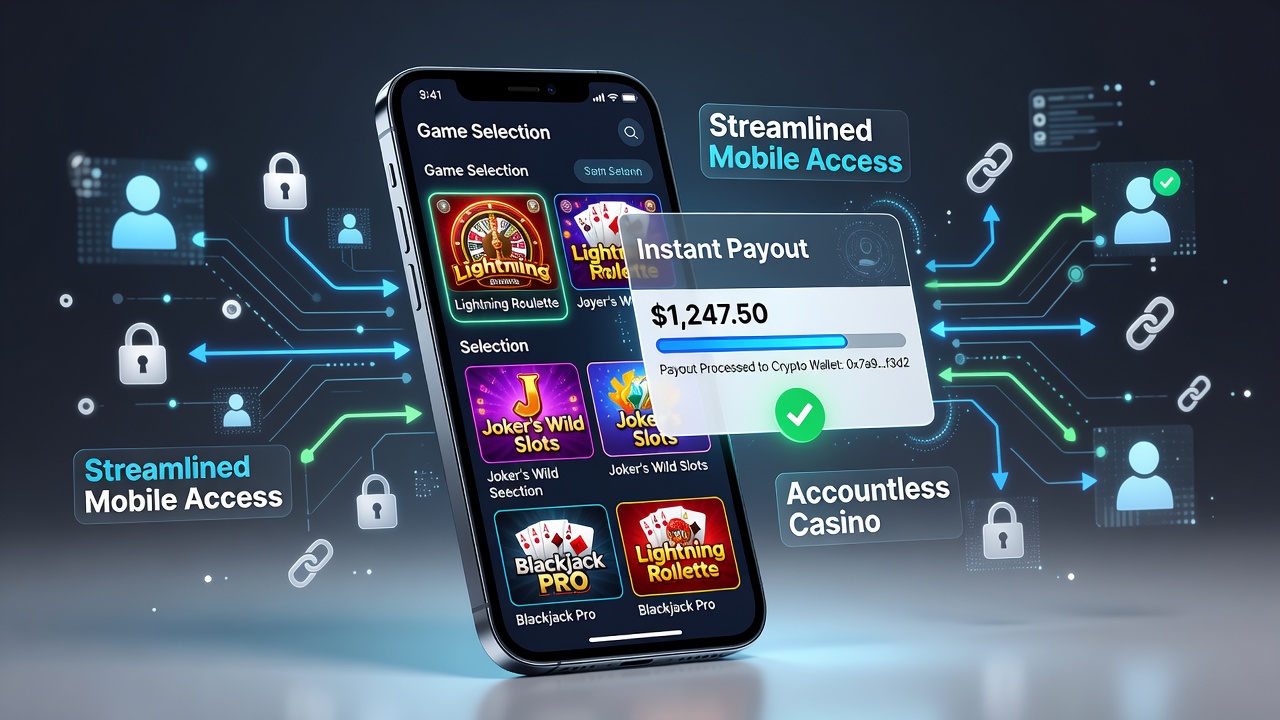
Developers have refined mobile interfaces to handle game selection and payout flows in accountless casino settings, where users access platforms through direct bank verification instead of creating profiles. These designs rely on responsive layouts that adapt to various screen sizes, allowing players to scroll through categorized game libraries with swipe gestures and filter options that update results in real time. Research indicates that such features reduce navigation time because they prioritize visual thumbnails and quick-load previews over lengthy menus.
Interface Elements Supporting Game Discovery
Touch-optimized menus present slot themes, table games, and live dealer options side by side, while integrated search bars pull results from large databases without requiring additional page loads. Observers note that color-coded icons and progress indicators guide users toward popular titles or new releases, and algorithms adjust recommendations based on recent session data. In August 2026 several platforms updated their mobile apps to include voice-search capabilities, which further accelerated the process for those seeking specific mechanics such as progressive jackpots or bonus rounds.
Case studies from industry reports show that streamlined grids with drag-and-drop sorting help users compare volatility levels and return-to-player percentages on the same screen. Experts have observed that these visual tools replace traditional registration walls, letting visitors sample mechanics through demo modes before committing funds via instant bank links.
Payment Integration and Payout Mechanics
Mobile interfaces connect directly to open-banking APIs, so deposits appear in game balances within seconds of authorization. Withdrawal requests follow the same pathway in reverse: players select an amount, confirm via biometric prompts, and receive funds back to their accounts without intermediate ledgers. Data shows that transaction logs remain stored temporarily on the device until completion, after which they clear automatically to maintain privacy standards.
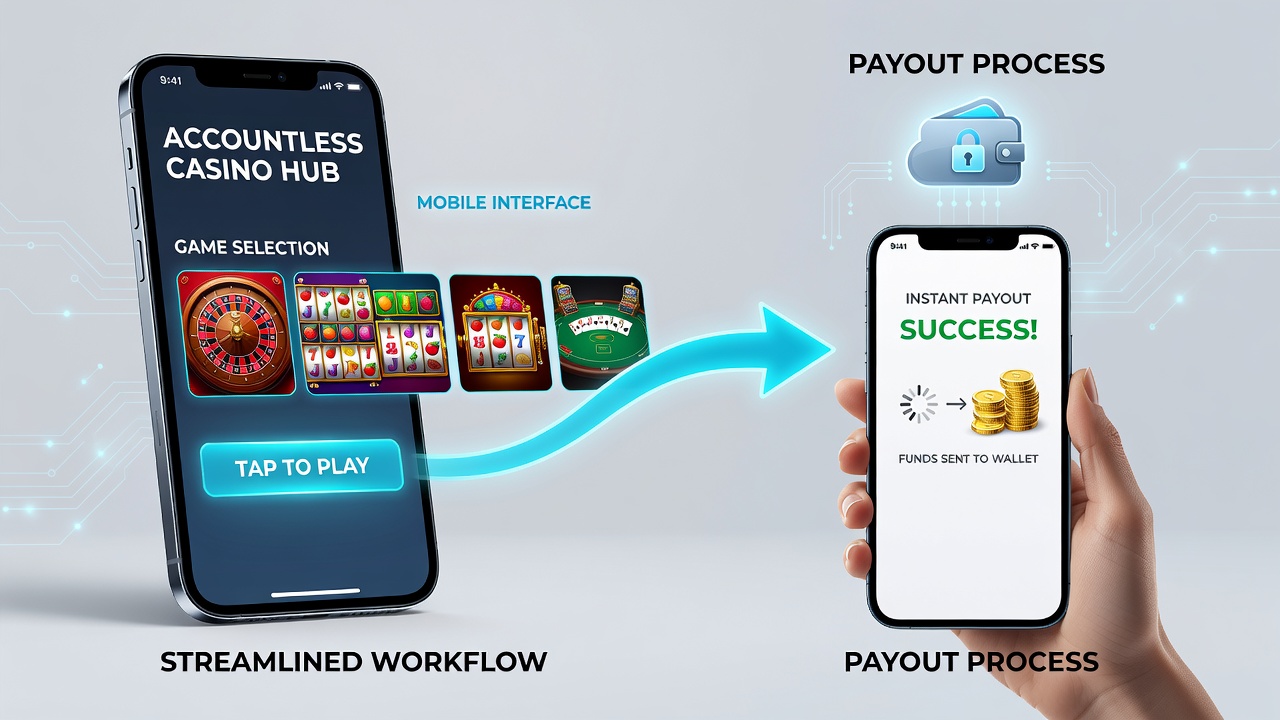
Security protocols embed encryption at the interface level, displaying progress bars that track verification steps from initiation to final transfer. Those who've studied transaction patterns report that average payout windows have shortened because mobile notifications replace email confirmations, cutting delays that once spanned hours. Partnerships with regional banks in multiple jurisdictions have standardized these flows, allowing seamless movement across different currencies without manual conversion steps.
Regulatory Context and Adoption Patterns
According to information published by the American Gaming Association, mobile-first accountless models gained traction in several North American markets during 2026 as operators aligned with updated compliance frameworks. Figures from the same source reveal steady growth in session counts on smartphones compared with desktop access. In parallel, the European Gaming and Betting Association documented similar shifts across EU member states, noting that interface updates helped operators meet stricter data-minimization rules while preserving user convenience.
Analysts tracking adoption rates point out that regions with mature open-banking infrastructure saw faster rollout of these mobile tools. Game studios responded by embedding payout calculators directly into lobby screens, giving users immediate estimates of potential returns before placing bets.
Technical Features Driving Efficiency
Developers incorporated offline caching for game thumbnails and rule summaries, which lets interfaces remain responsive even during brief connectivity drops. Push notifications alert users when requested payouts clear, and in-app status trackers display exact timestamps for each stage. Observers note that these additions reduce support ticket volume because players can self-monitor progress without contacting operators.
Animation sequences for win celebrations and balance updates stay lightweight to avoid draining device resources, while dark-mode toggles accommodate varying lighting conditions common during mobile play. Data collected from platform telemetry indicates that such refinements correlate with longer average session durations across accountless environments.
Conclusion
Mobile interfaces continue to evolve by combining intuitive navigation tools with secure, direct payment rails that eliminate traditional account overhead. The result is a process where game selection and payout handling occur within unified workflows that prioritize speed and clarity. Ongoing refinements in August 2026 and beyond reflect broader industry efforts to match user expectations for frictionless experiences across devices and jurisdictions.