Accountless Gaming Platforms Expand Reach in International Markets During 2026
Rafael Coleman · Jul 7, 2026
Accountless Gaming Platforms Expand Reach in International Markets During 2026
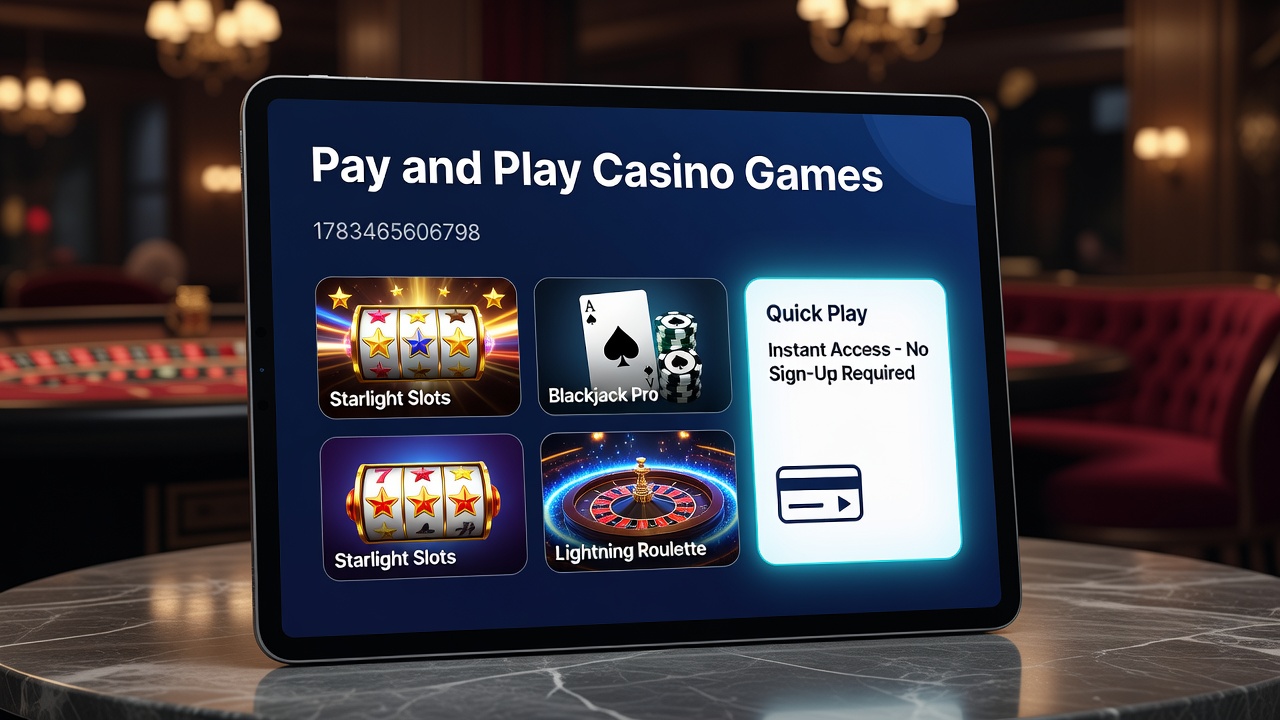
Accountless gaming platforms have gained traction across multiple regions as operators streamline entry processes for users seeking immediate participation in digital casino environments, and data from industry trackers shows increased integration of these systems in both established and emerging markets throughout the first half of 2026. These frameworks rely on direct payment verification methods that bypass traditional account creation steps while maintaining compliance with local regulations in various jurisdictions.
Technological Foundations Supporting Instant Access
Payment processors and software developers have coordinated to embed verification tools directly into transaction flows, which allows platforms to authenticate users through banking details or digital wallets without requiring separate registration portals. Observers note that this approach reduces friction points that previously delayed user engagement, and several providers reported deployment of updated APIs by early 2026 to support higher transaction volumes during peak periods. Research from European gaming associations indicates that such systems handle secure transfers at rates exceeding previous benchmarks, with encryption protocols meeting standards set by financial oversight bodies in multiple countries.
Regional Developments in July 2026
Regulatory updates in North America and Asia-Pacific areas have aligned with these platform expansions, as authorities in select Canadian provinces and Australian states reviewed licensing frameworks for operators utilizing rapid-access models. Figures from the Australian Communications and Media Authority reveal steady growth in licensed entities adopting instant verification techniques, while parallel reviews by the Nevada Gaming Control Board tracked similar patterns among operators serving cross-border audiences. These shifts coincide with broader legislative discussions on dual-currency options in several U.S. states, creating environments where platforms can operate under updated compliance guidelines without mandatory signup layers.
Operators in these regions have introduced features that link live dealer tables and slot libraries directly to verified payment channels, enabling users to transition between game types through single-session connections. Partnerships between game studios and payment networks have produced interfaces that display real-time balance updates alongside game selections, and this coordination supports continuous play sessions once initial funding completes.
Industry Metrics and Adoption Patterns
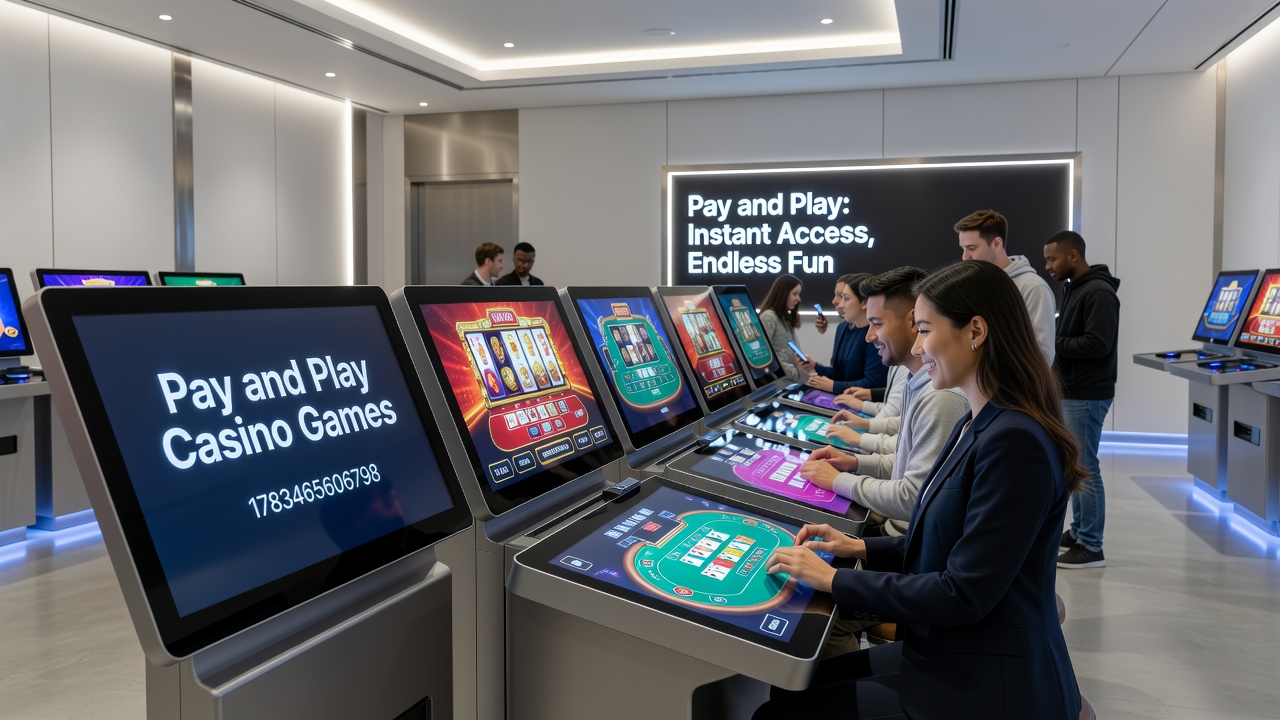
Market analyses compiled by international trade groups show that platforms employing these models recorded transaction completion times averaging under thirty seconds in monitored samples from 2025 into 2026, which contrasts with longer sequences associated with legacy registration systems. Data compiled across European and Asian operators points to higher repeat engagement rates among users who access content through direct funding routes, although exact percentages vary by market maturity and promotional structures in place. Gaming studios have adjusted reward mechanisms to align with these shorter entry sequences, incorporating time-limited incentives that activate upon verified deposits rather than after prolonged account setup.
One documented case involves a studio consortium that updated its backend support networks to handle queries originating from account-free sessions, resulting in faster resolution times for transaction-related issues according to internal performance logs shared with regulatory reviewers. Similar adjustments appear in mobile-focused deployments where live table interactions sync with instant transfer confirmations, allowing participants to maintain session continuity across devices without re-authentication steps.
Security Protocols and Compliance Measures
Security frameworks integrated into these platforms draw on multi-layered verification that combines device fingerprinting with payment authorization checks, and industry reports from the Malta Gaming Authority highlight successful audits of such combined systems during the second quarter of 2026. These measures address concerns around unauthorized access while preserving the speed advantages that define the model, and operators have implemented monitoring dashboards that flag anomalous patterns in real time. Collaboration among developers has produced standardized toolkits for bonus allocation that function within registration-free parameters, ensuring promotional offers trigger automatically once funding thresholds are met.
Global operators continue to monitor legislative proposals that could further standardize these practices, particularly in areas where existing frameworks already accommodate rapid funding without additional identity layers. Evidence from ongoing implementations suggests that user retention benefits when platforms minimize initial barriers, though outcomes depend on the quality of game libraries and support structures available post-access.
Conclusion
Accountless models continue to influence platform design choices as operators respond to evolving user expectations and regulatory landscapes in July 2026 and beyond. Integration of instant verification with diverse game offerings and live features represents an ongoing adaptation that aligns with broader digital payment trends across entertainment sectors. Stakeholders track these developments through data shared by oversight bodies and research entities, which provide benchmarks for future refinements in both technology and policy.